Description: Bioreactor manufacturers and users make massive efforts to create a culture environment free fromcontamination. Desp...Bioreactor manufacturers and users make massive efforts to create a culture environment free from contamination. Despite all this work, sometimes things go wrong. This blog post will cover some of the key reasons for contamination getting in and how to deal with it quickly.
Contamination issues apply to both microbial and cell cultures, although cells are easier targets since they grow slower and have complex medium requirements.
Contaminants can include species of:
* Bacteria
* Mycoplasmas
* Fungi
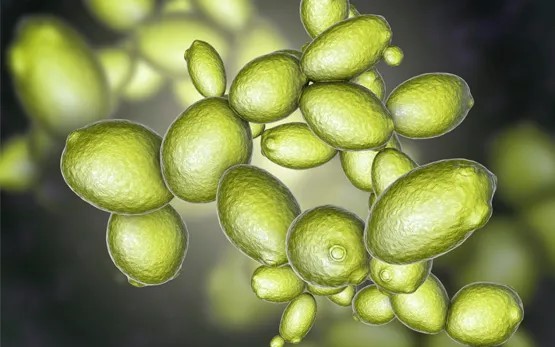
* Yeast
* Viruses
* Immortal cell lines invading other cell cultures e.g. HeLa cells
The ability to survive in conditions of low nutrient availability or to form heat-resistant spores are two traits in bacteria and fungi which make them prime candidates as sources of contamination. Yeasts and viruses may also be problematic for cell culture laboratories and production areas.
A key factor in contaminants becoming an issue is the nutrient rich media used for growth of microbes and cells. This can take a low level of contamination from survival mode into exponential growth. The growth rate of the contaminant may then exceed the one of the inoculated organism. The desired organism will be overgrown after some time leading to cell death. A good example of this would be a bacterial contaminant in a cell culture, where the difference in doubling time could be a few minutes for bacteria compared to a day or more for cell culture.
Heat and chemical resistance are also typical features of contaminants. Survival in wet steam at 121 °C for 30 minutes or longer is not possible for cells but is achievable for spores. Even some heat-sensitive contaminants can survive when the steam cannot penetrate through to the cells. Proper cleaning prior to sterilization is vital as dirt or old culture residues can form a protective layer that, especially in an area of pipework, could limit the temperature and thereby the sterilization efficiency.

Contamination in bioreactor cultures can negatively impact an organization in many ways: lost batches and production time, cost of investigations, cost of decontamination and compliance issues are among them. The earlier a contamination gets detected the better. Here are some common scenarios that happen if you have contamination:
In any of the above mentioned cases, direct observation of sample using staining, microscopy and test kits can all help to confirm the presence of a contaminant.

Check the inoculum
Check the sterilization process and equipment
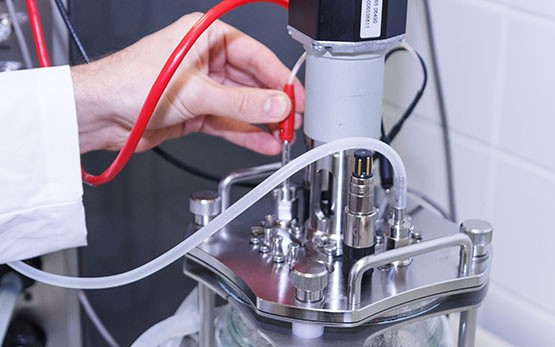
Check all bioreactor components and assembly

Check the O-rings on all components installed on the lid, regardless of whether these are intakes, sensors or plugs.
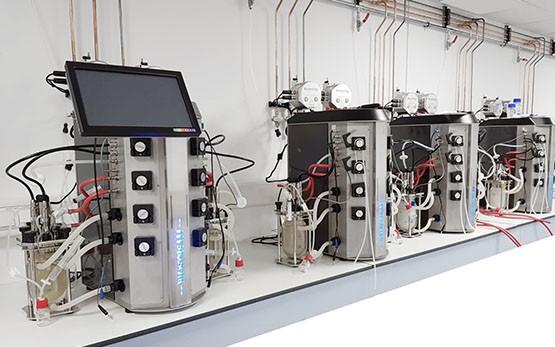
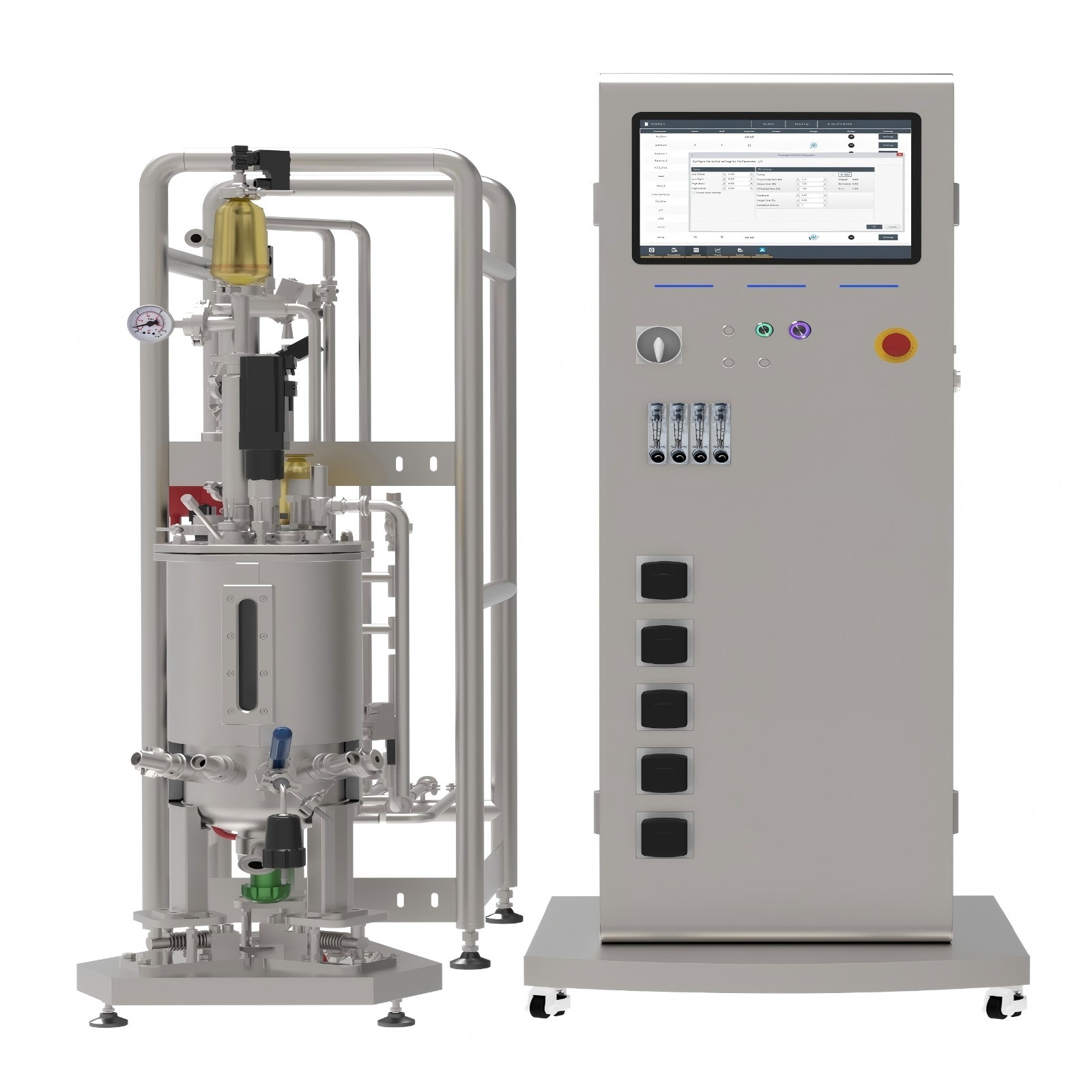
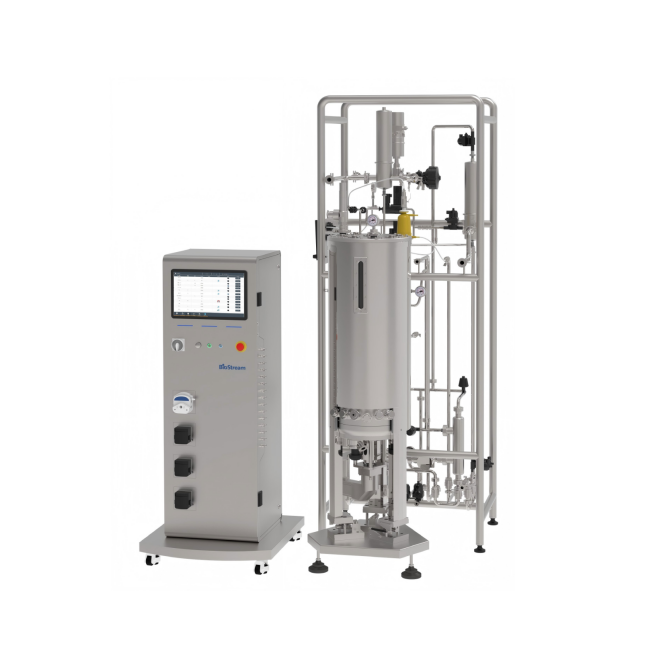
Many of the points relating to bench-scale bioreactors also apply to larger in-situ sterilizable units. Checking O–rings, drive shaft seal, vessel seals and valve seals should all be part of routine maintenance.
Some issues relate to the construction and use of in-situ sterilizable systems, including:
This breaks down into three sub-categories:
Checking the biological input material, services, and environment
Any suspect material can be checked by Gram staining and examination under a microscope. A Gram-positive rod such as bacillus sp. will stand out in a sample of yeast culture, for example. Culture samples, environmental air samples and services water can be plated out on a general enrichment medium and any growth isolated and identified. Different growth temperatures and times may need to be tested to ensure nothing has been missed.
Checking the bioreactor hardware and automated processes before use
A stainless-steel vessel can be tested using overpressure to look for leaks. A significant drop in pressure over time shows some part of the system is not sealed properly. Filter integrity can be tested with devices available from the filter manufacturer. The effectiveness of steam sterilization can be tested by leaving uninoculated medium in the vessel for several hours/days. You can then see if growth occurs under the normal operating conditions of the bioprocess.
More sampling, chemical analysis and plating during the bioprocess may detect contamination before it is apparent in the vessel. The aim will be for a “quick kill” if contamination is present, to minimize lost time and resources.
Checking the methodologies of the bioprocess to minimize contamination risk
This can be preparation of media and reagents, choice of components, sterilization methods and operator interactions. Good record keeping allows an audit of the different steps to discover the point in the process when contamination first occurred. Reducing manual handling such as sampling by adding online sensors will reduce the opportunities for a contaminant to enter the vessel. Regular checks of the work area with swabs will give confidence that the microbial load of the environment is under control. If not, cleaning and sterilization of the whole work area with e.g. formaldehyde may be necessary.
House services such as air and water supplies can be separately assessed and treated to close off this route for contamination of a bioreactor. This is normally the task of Estates Management or your equivalent. Good record keeping of all these approaches will aid the isolation and removal of any problems quickly.
This short guide is only an outline of what’s possible. The subject is large and topics like the statistical basis for sterilization have not been included. Finding contamination is the top priority. This sounds obvious, but a quick kill of the process will save cost and resources before any investigation has even started. Devise tests for each contamination possibility and use them consistently. Good record keeping will ensure the next problem is fixed at least as quick as the last.
The main points considered are


Copyright © 2026 Biostream All rights reserved.